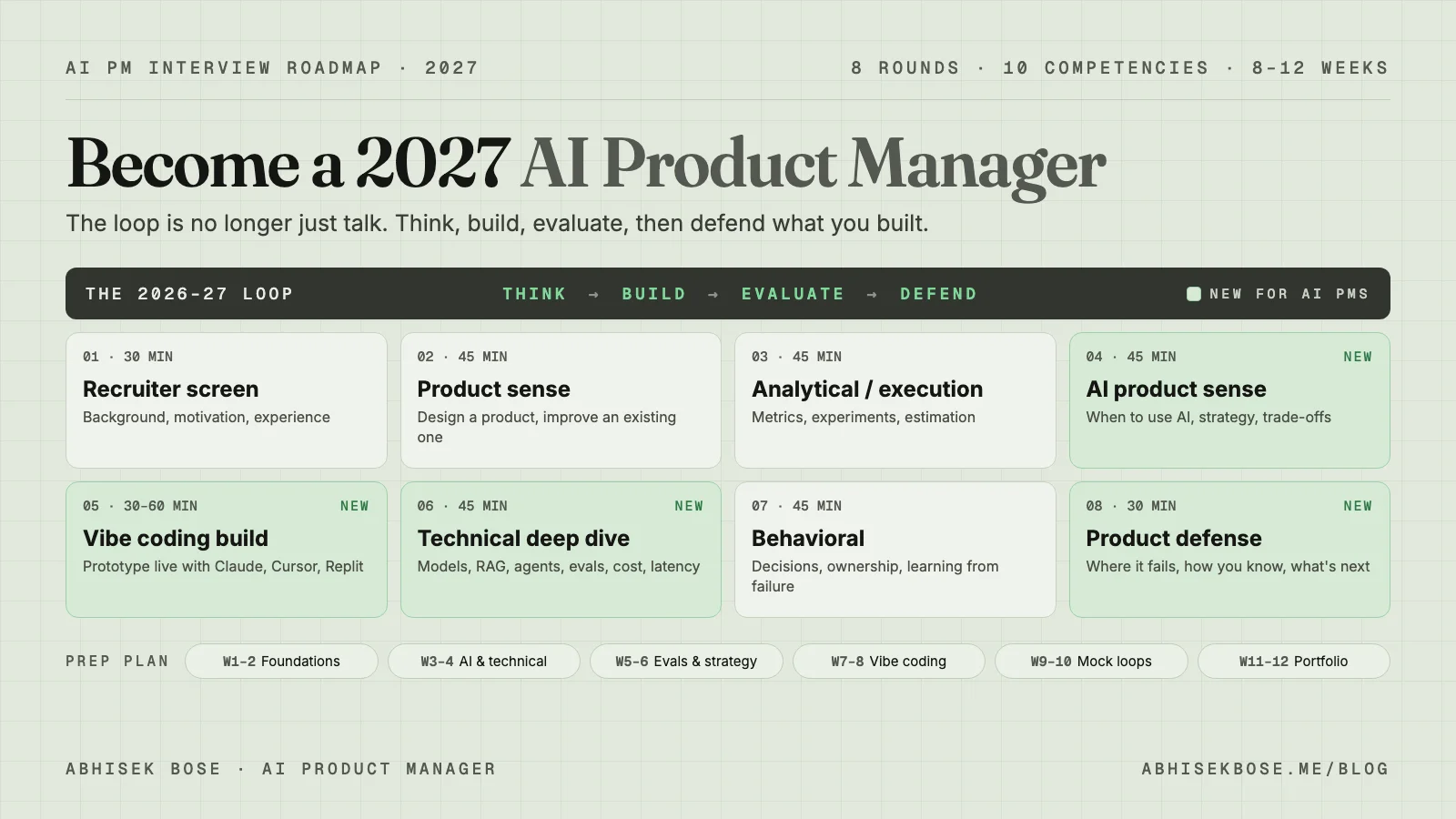
5 Oct 2026 · 12 min readYour roadmap to become a 2027 AI Product ManagerThe AI PM interview is now think, build, evaluate, defend. The typical eight-round loop including the vibe coding build round, the 10 competencies it tests, sample questions with time budgets, build themes to practice, and an 8–12 week prep plan.AI Product ManagementCareerInterviewsAI Evals
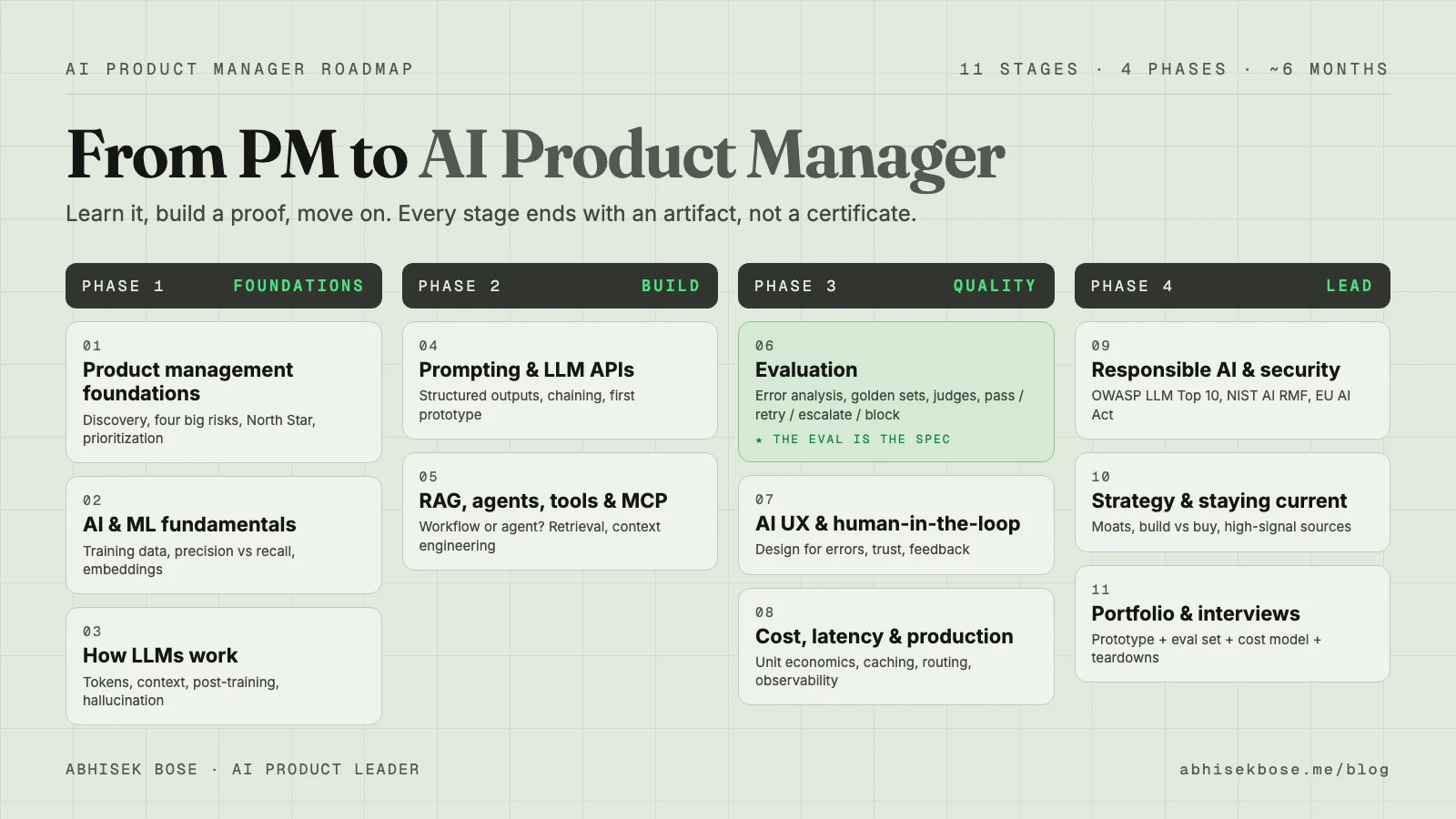
26 Sept 2026 · 18 min readThe AI Product Manager roadmap: 11 stages, with the best free resourcesA practical roadmap from PM to AI Product Manager in four phases: foundations, build, quality, and lead. Each of the 11 stages has what to learn, a proof-of-skill artifact to build, and hand-picked free courses, docs, and videos, with evals as the skill to over-invest in.AI Product ManagementCareerAI EvalsLearning
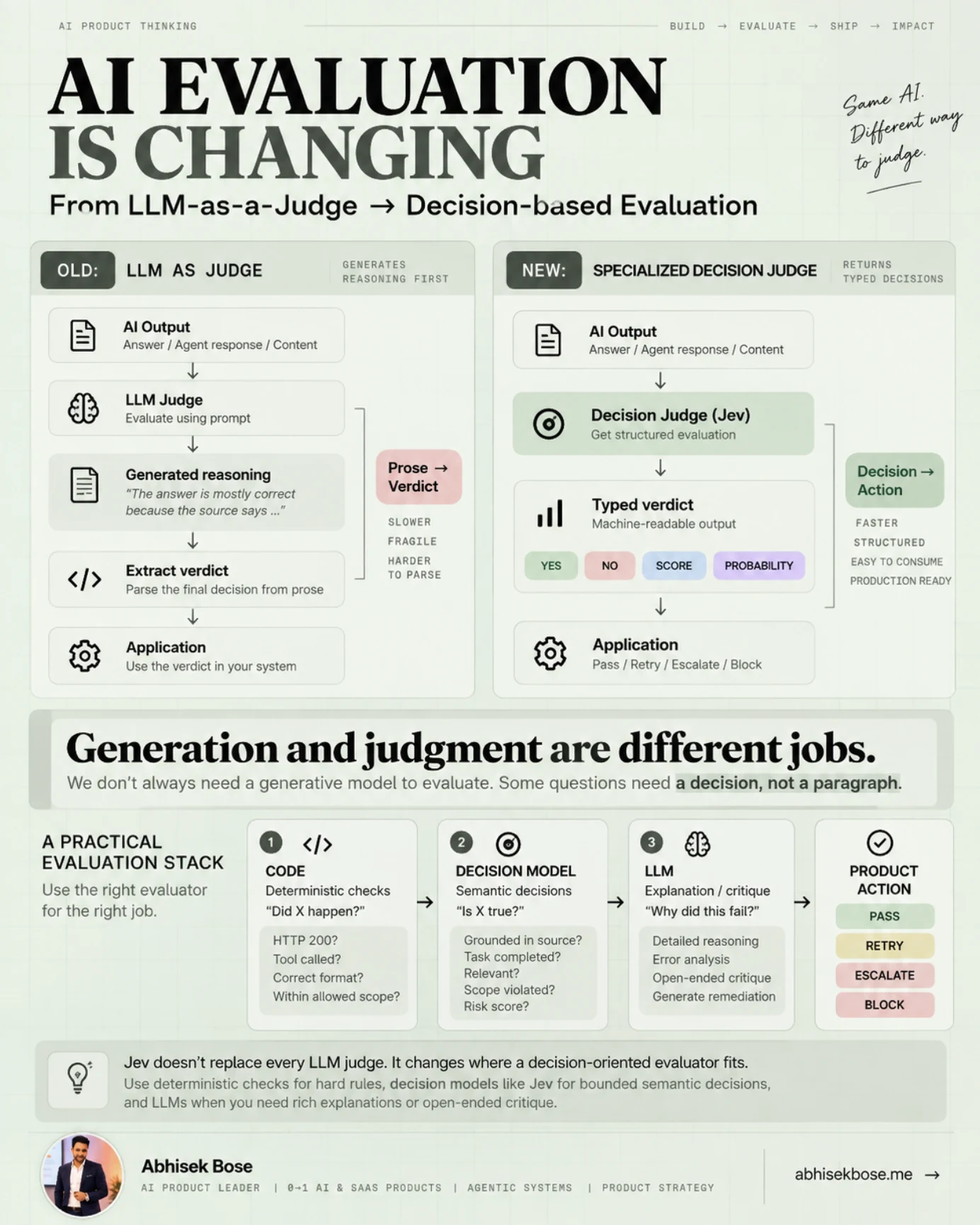
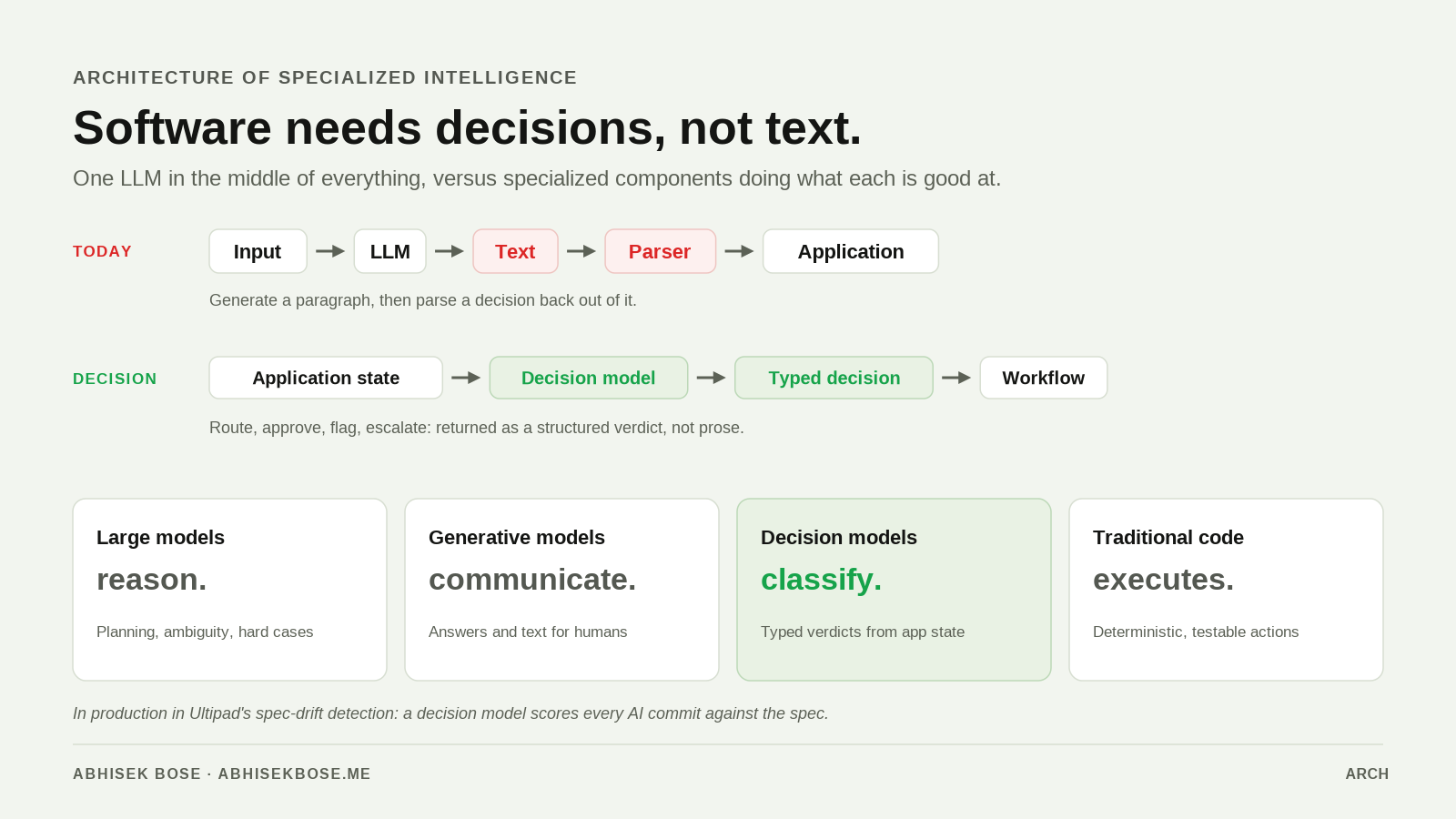
26 Sept 2026 · 7 min readAI evaluation is changing: from LLM-as-a-judge to decision-based evaluationMost AI evals ask an LLM to write a paragraph, then parse a verdict out of the prose. For bounded questions a decision judge returns a typed verdict straight into pass, retry, escalate, or block. Generation and judgment are different jobs, and here is the three-layer evaluation stack I use.AI EvalsDecision ModelsProduction AI
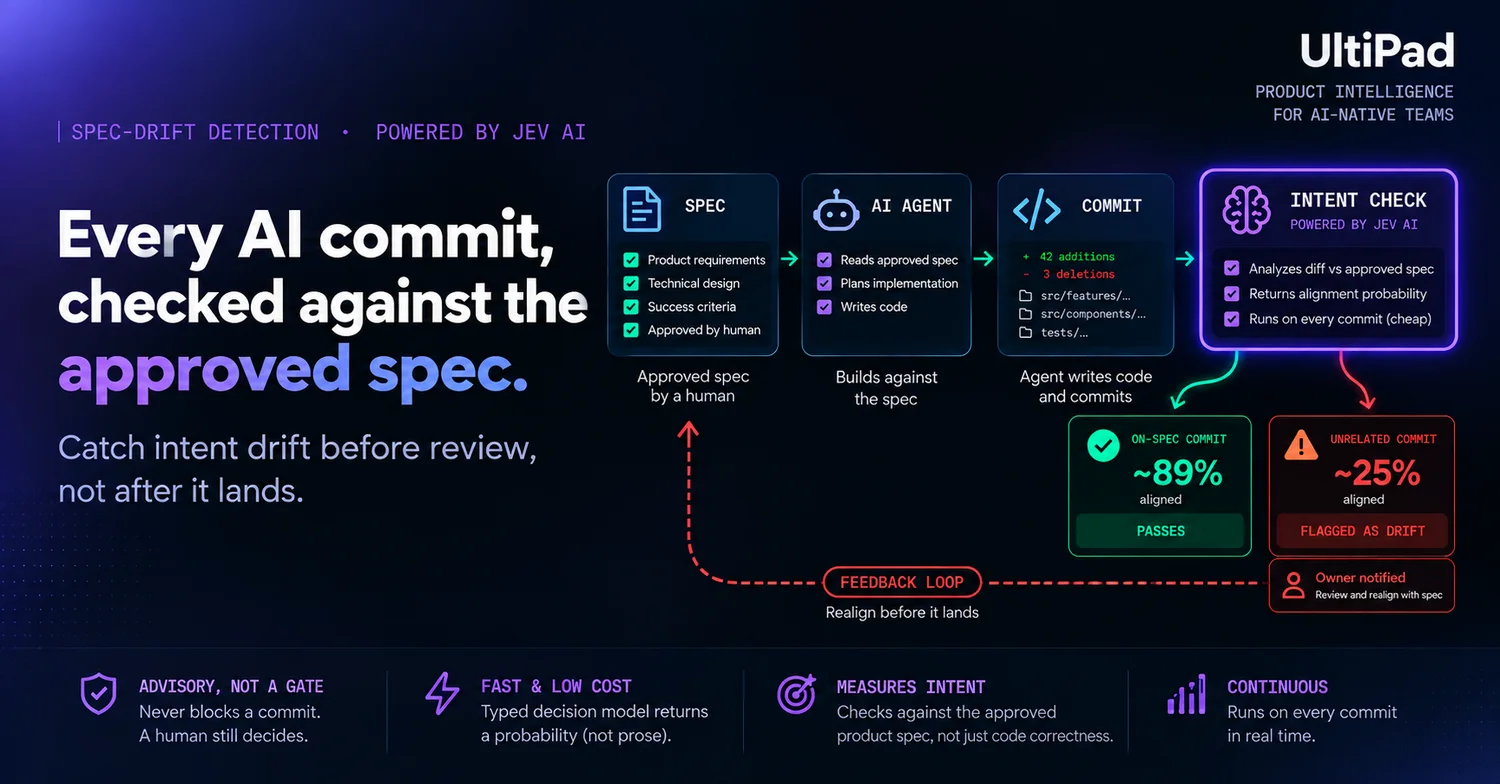
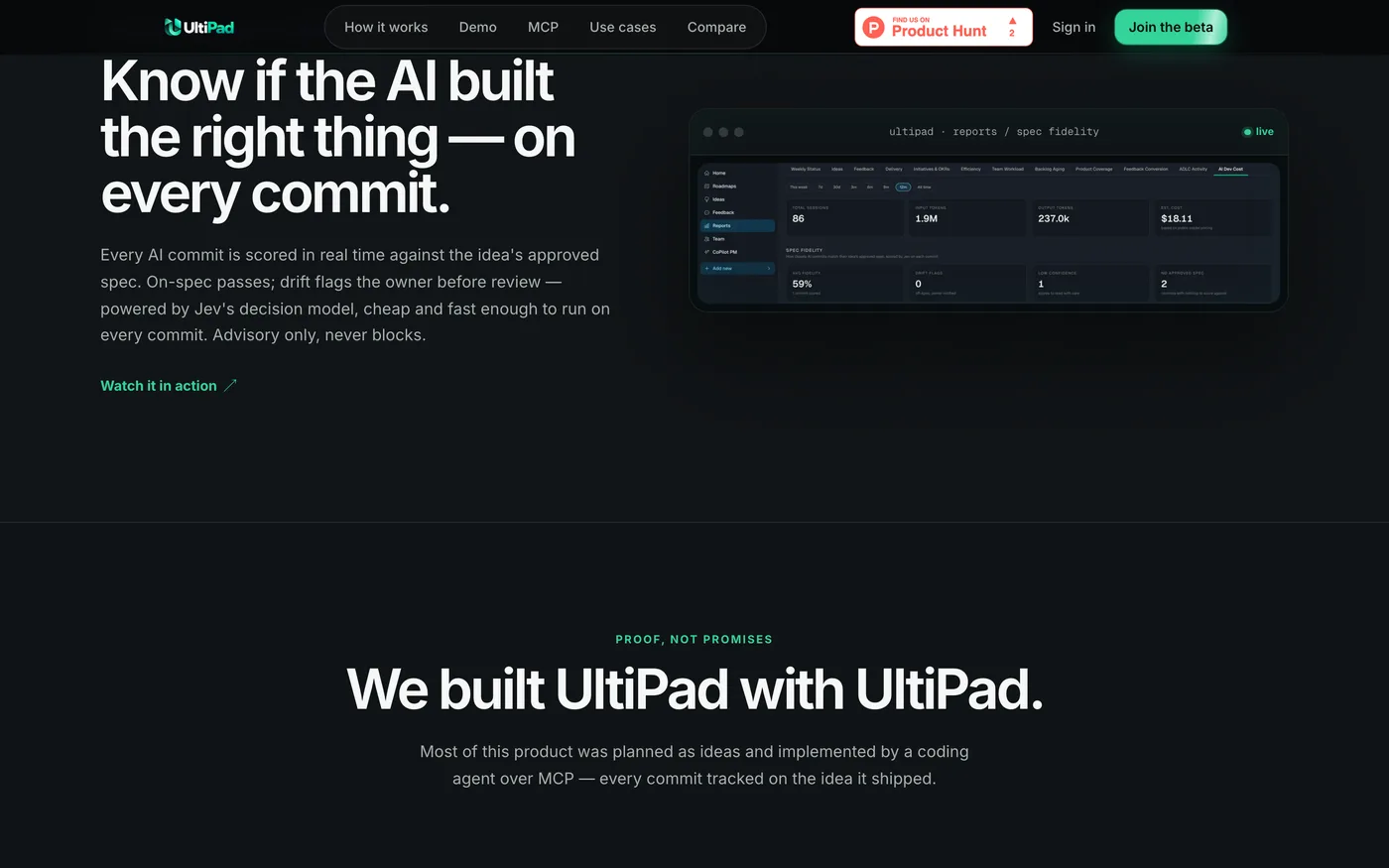
24 Sept 2026 · 4 min readAI can write perfectly valid code that is completely wrong for the productThe code compiles, tests pass, the PR looks clean — and the agent still built the wrong thing. Why we check every AI commit against the approved spec with a typed decision model instead of an LLM, and why the check is advisory, never a gate.ADLCSpec-DriftAI AgentsProduct Judgment
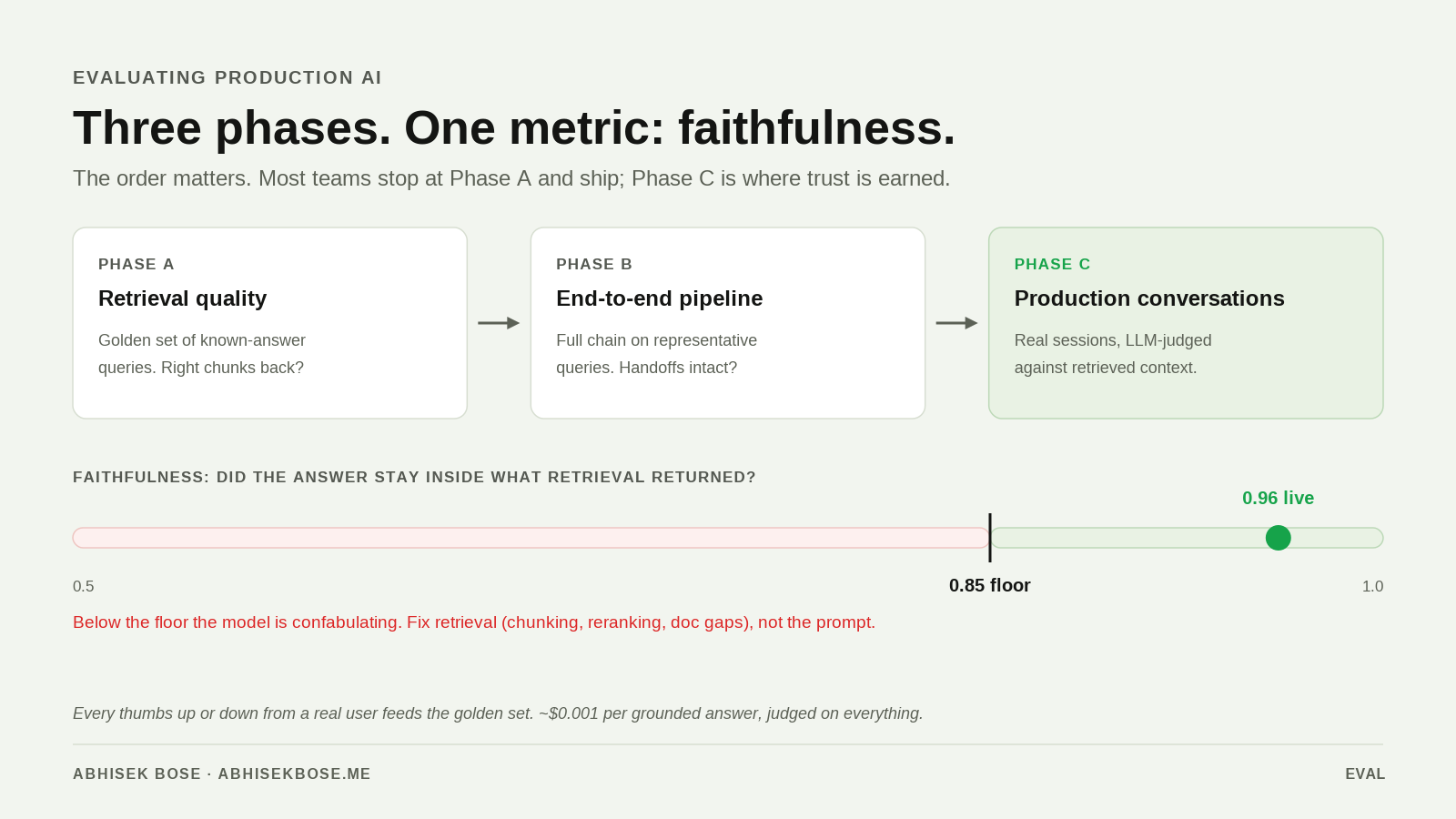
24 Sept 2026 · 5 min readFaithfulness over accuracy: how I evaluate production AIThe worst eval mistake is measuring what is easy to measure. The three-phase pipeline I run on every AI system — golden-set retrieval, end-to-end tests, and LLM-judged production conversations — and why a faithfulness score below 0.85 means you are fixing the wrong layer.AI EvalsRAGProduction AI
23 Sept 2026 · 4 min readClaude broke the ADLC — our AI decision layer caught itA guard inside UltiPad checks every AI-generated commit against the approved product spec: 89% aligned passes, 25% aligned flags drift — before code review, not after. Built with a typed decision model that returns a probability, not a paragraph.ADLCSpec-DriftAI Agents
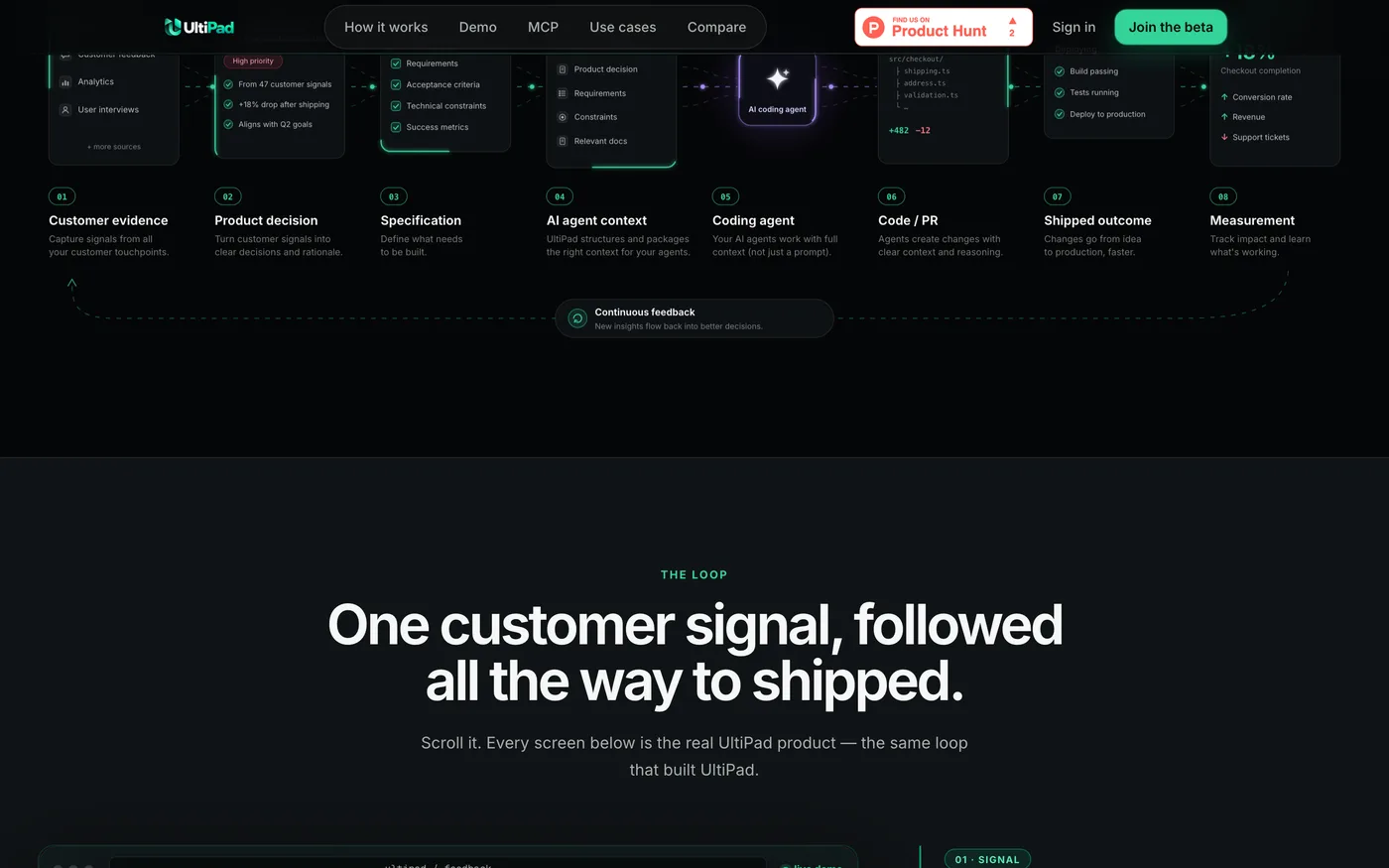
21 Sept 2026 · 4 min readWhy I'm building UltiPadAI coding agents are extremely capable at execution, but the reasoning behind product decisions is fragmented across PM tools, documents, Slack, and tickets. The emerging gap is between product decision → AI agent → implementation → outcome.UltiPadMCPProduct Strategy
19 Sept 2026 · 3 min readThe next shift in AI may not be bigger modelsSoftware rarely needs text — it needs decisions. An architecture where large models reason, generative models communicate, decision models classify, and traditional code executes.AI ArchitectureDecision Models
1 Sept 2026 · 5 min readRAG in production at almost zero costAn AI docs assistant that developer teams use in production daily: hybrid retrieval, an eval gate on every deploy that rolls back failures automatically, 94–100% judge-verified grounding, ~$0.001 per answer, and 20+ support hours returned every week.RAGAI EvalsProduction AI
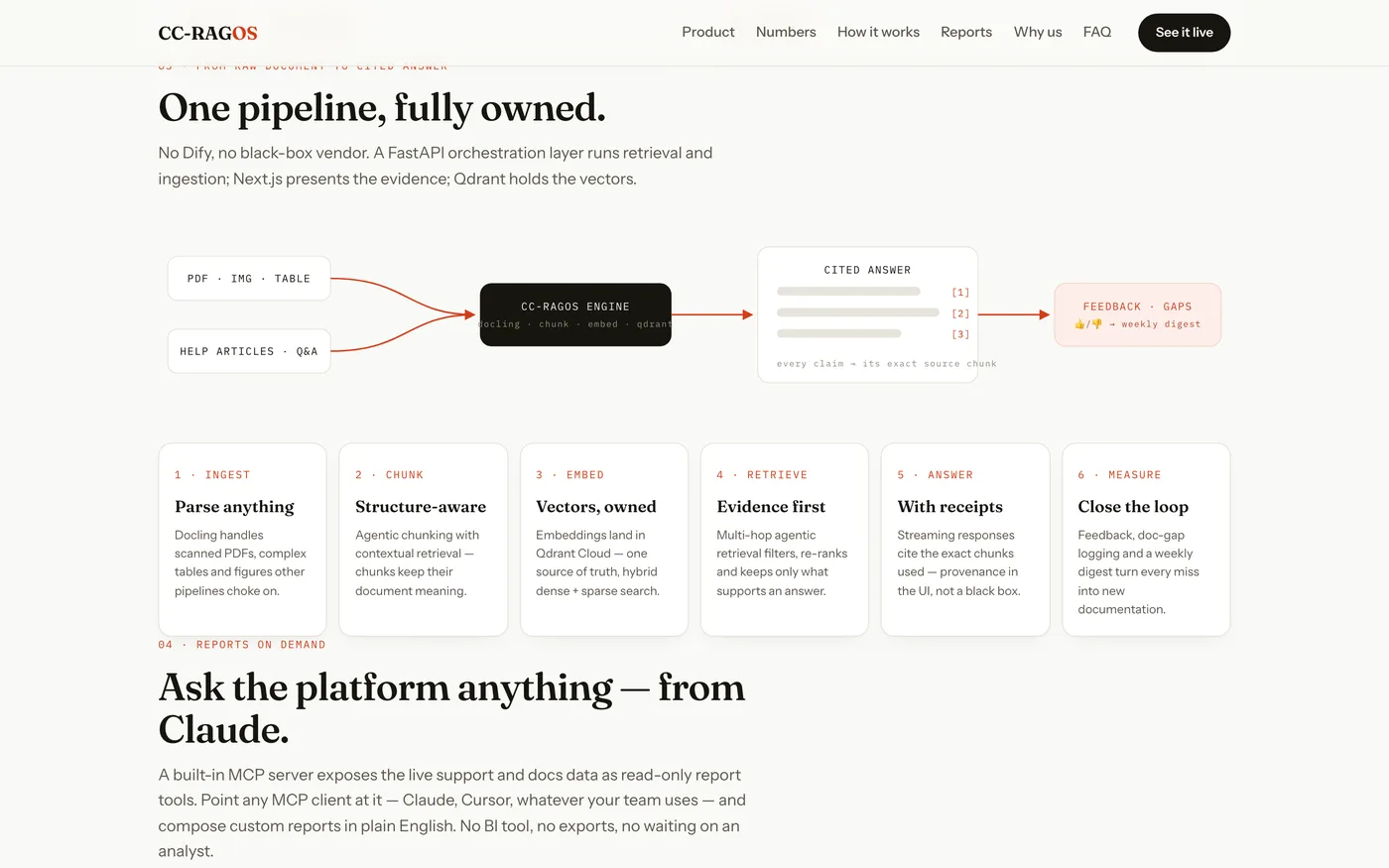
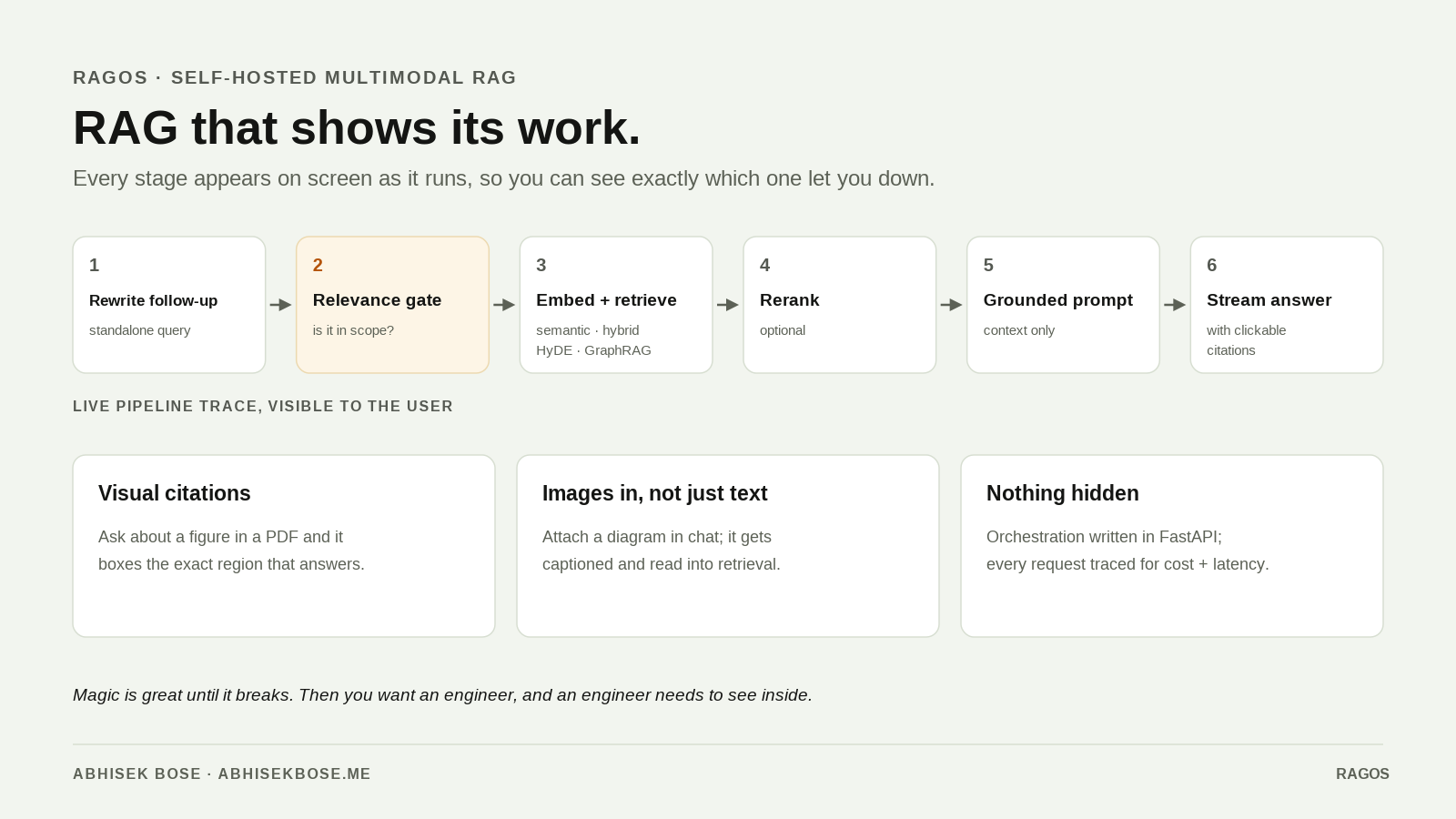
27 Jul 2026 · 4 min readMost RAG demos ask you to trust a black boxRAGOS is a self-hosted multimodal RAG platform with one rule: it has to show its work. Watch the whole pipeline run live — query rewriting, relevance gating, retrieval, reranking, grounding — with visual citations that box the exact region of a PDF that answers you.RAGExplainabilitySelf-Hosted
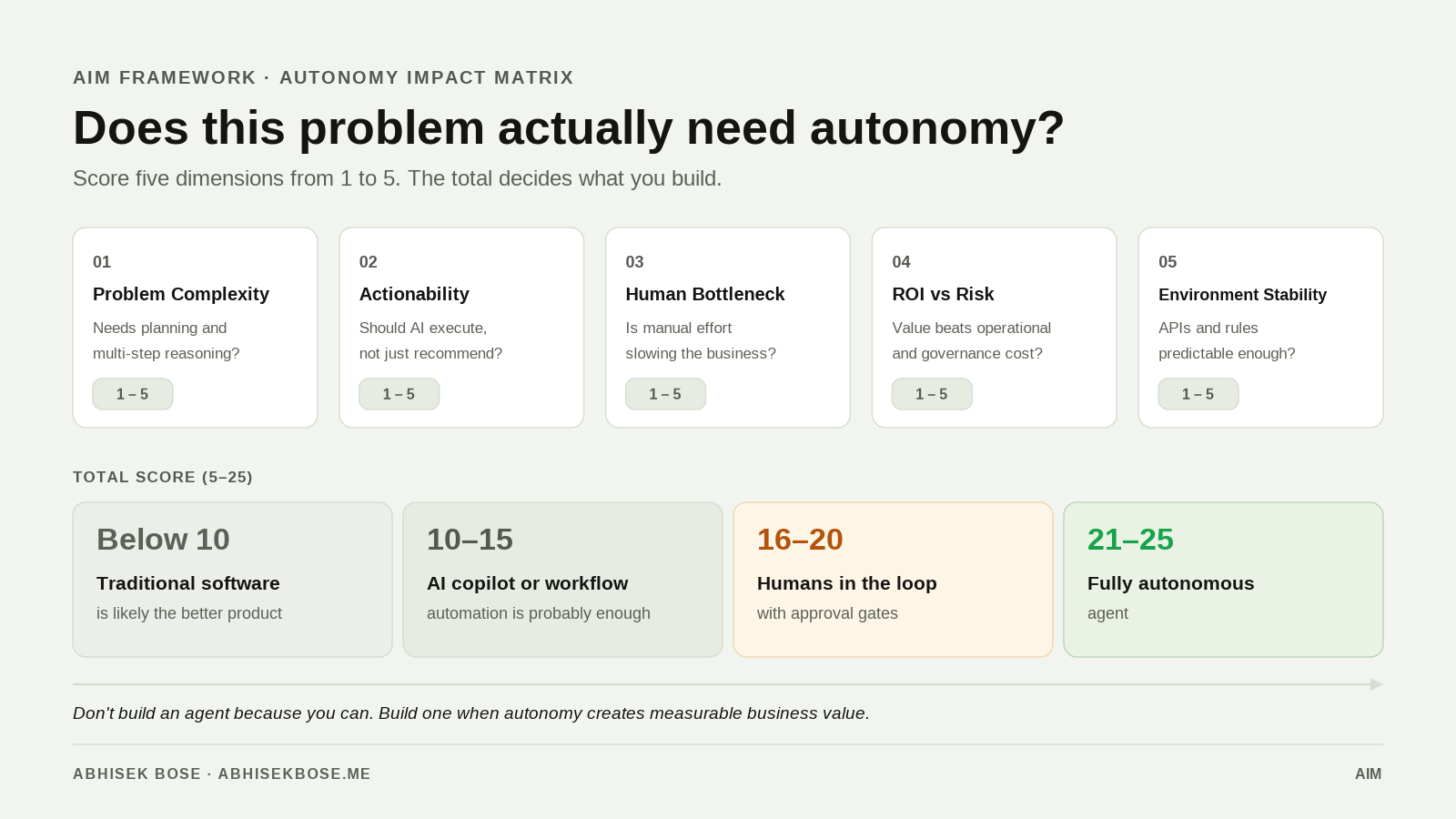
25 Jun 2026 · 3 min readThe AIM Framework: does this problem actually need autonomy?The hardest part of agentic AI isn't building the agent — it's deciding whether an agent should exist. Five dimensions, scored 1–5: below 10, traditional software wins; 21+, build fully autonomous.Agentic AIFrameworksProduct Judgment